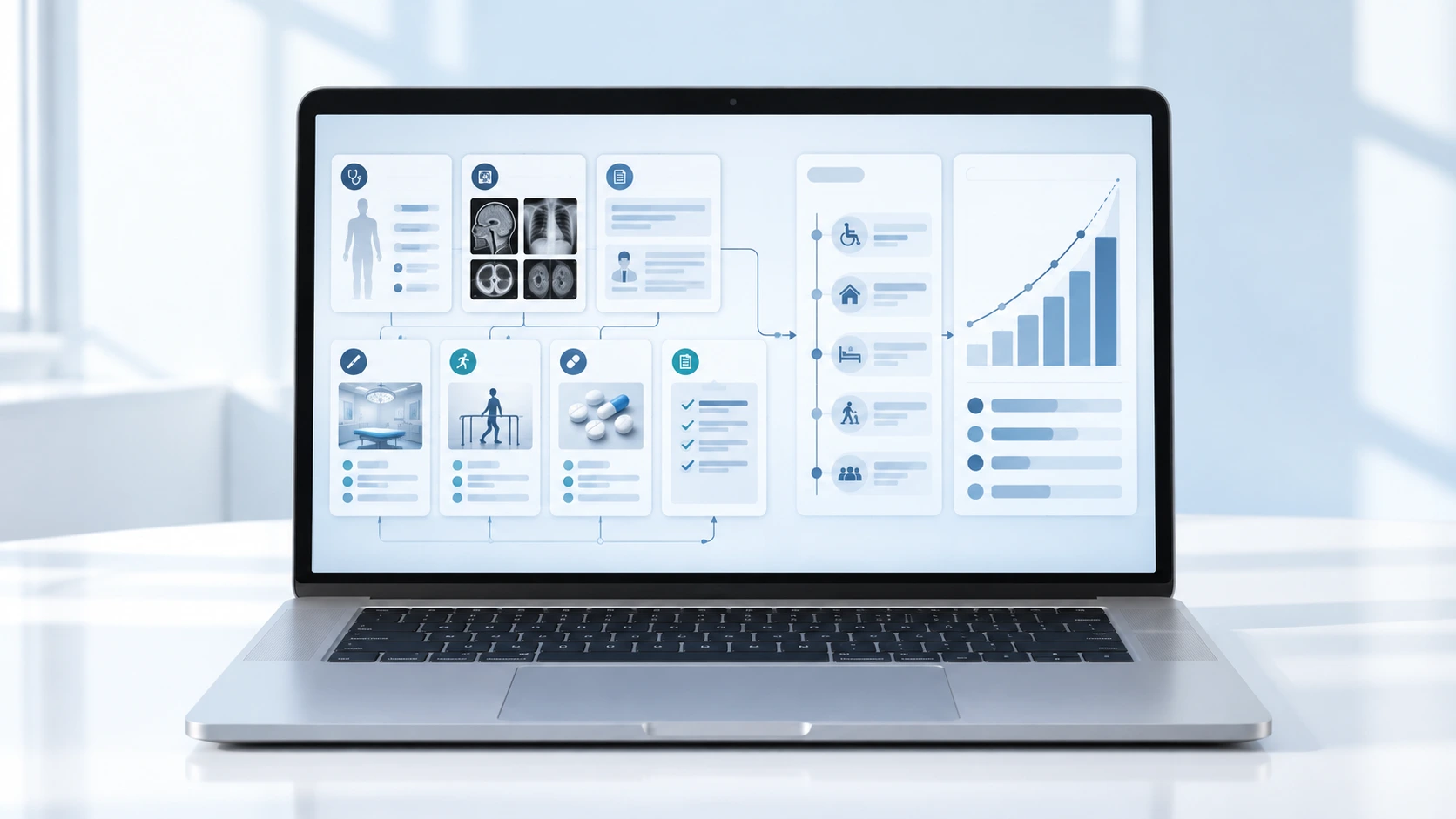
Complete Medical Record Review Guide: Everything You Need to Know
Thorough medical record reviews are crucial for building strong legal cases, improving healthcare outcomes, and ensuring accurate insurance claims.
Accuracy and thoroughness of documentation are essential in healthcare. Medical records contain a wealth of information on patients’ medical histories, treatment plans, outcomes, and future medical needs.
Whether you are a healthcare provider, legal professional, insurance provider, or a patient, a comprehensive review of these vital charts plays a key role. But exactly, what is medical record review, and why is it important?
With our decades of experience in conducting medical record reviews, we dissect everything you need to know about medical record review here.
From its purpose in healthcare, insurance, and legal fields to how the process works, we will provide you with essential insights to understand this important aspect of healthcare.
Whether you are new to this concept or seeking to broaden your understanding, this article will provide you with a clear overview of medical record review and its significance.
What is medical record review?
Medical record review is a detailed process of examining a patient’s medical records to get a clear picture of their medical journey.
What is the purpose of the medical record review? The review provides critical insights into a patient’s medical history, sequence of treatments, diagnoses, and outcomes, helping legal professionals, healthcare providers, and insurance companies make informed decisions.
This is essential in legal cases such as personal injury, medical malpractice, and insurance disputes.
Types of Medical Record Review
Medical record reviews are done based on their audience, scope, and purpose. Let’s see the major types of medical record reviews.
1. Legal medical record reviews
Attorneys and law firms need legal medical record reviews to support or defend personal injury, medical malpractice, or workers’ compensation cases. These reviews turn complex medical data into clear timelines to support legal arguments and settlement negotiations. Legal teams make use of these reviews to identify evidence of injury, establish causation, and calculate damages.
2. Clinical medical record reviews
Physicians, nurses, or quality assurance teams review patient charts to detect errors, evaluate treatment effectiveness, and improve patient safety. Clinical medical record reviews also help hospitals maintain high standards of care and prevent diagnostic or procedural mistakes.
Insurance companies perform record reviews to verify the validity of medical claims and prevent fraud. Claims adjusters or medical experts assess whether the treatments provided were necessary, consistent with diagnoses, and covered under policy terms.
Independent Medical Examiners and Qualified Medical Evaluators rely on medical record review to understand the claimant’s medical history before conducting medical evaluations. These reviews help the evaluators provide unbiased opinions on the cause of injury, the extent of impairment, and the need for future medical care.
5. Clinical peer reviews
Peer reviews are performed by healthcare professionals of the same specialty to assess another provider’s clinical decisions for adherence to protocols for standard care. It helps identify deviations, improve accountability, and ensure consistency in patient management.
In disability claims and long-term care planning, detailed medical record reviews are essential to determine the extent of disability and future medical needs. These reviews help the professionals prepare accurate cost projections for ongoing treatment, therapy, assistive device usage, and determine the disability benefits or life care plan benefits.
Who Needs Medical Record Reviews?
Medical documentation analysis helps healthcare, legal, and insurance professionals. Let’s take a closer look at how:
Attorneys: In personal injury and medical malpractice cases, attorneys rely heavily on the victim’s medical records to build their arguments. These documents provide traces of evidence to prove either the extent of a victim’s injuries or the provider’s negligence. A thorough review of medical records offers valuable insights for attorneys to base their arguments on.
Healthcare providers: Medical providers must ensure that the medical records are error-free and accurate to deliver quality patient care. Regularly reviewing these records helps identify any instances of negligence and ensures that the patient receives proper treatment. Medical record reviews for healthcare systems prevent diagnostic errors during treatments and enhance patient care.
Insurance Firms: Insurance providers need medical record reviews to verify the insurability of a claimant, assess the validity of injuries or illnesses, and detect potential fraud. A comprehensive review can help insurance adjusters evaluate claims and process settlements on time.
Life Care Planners: Life care planners use medical record analysis to build accurate, evidence-based care plans. A clear view of the patient’s history and future medical needs helps them outline long-term treatments, therapies, assistive devices, and costs, ensuring fair compensation and effective planning.
Medical Evaluators (IMEs/QMEs): Medical evaluators rely on detailed record reviews to understand the patient’s condition before conducting assessments. This helps them provide objective opinions on injury causation, impairment, and necessary treatment, supporting fair and informed legal or insurance decisions.
Significance of Medical Record Review
Medical record review plays a vital role in bolstering legal claims, ensuring accurate medical care, and facilitating informed decisions in insurance claims. Here’s how they help:
Provides proof of injury: In personal injury claims, attorneys should prove that the individual sustained injuries requiring treatment and ongoing care, with proof. Medical charts will have traces of the onset and progression of symptoms, and the treatments administered. Record reviews pick out vital evidence from these charts to establish the existence of injuries.
Establishes causation: Evidence in medical records can prove the direct link between the victim’s injury and the incident in question. A thorough record review can identify the facts that link the injury and the subject incident, increasing the chances of a plaintiff-favored verdict.
Demonstrates the severity of injuries: A comprehensive medical review proves the severity of injuries by referencing pain scale values at various stages to prove how severe the injuries are and whether it worsened or improved with treatment. The details of extensive treatments undergone, such as therapies, injections, and surgeries, can further support the legal arguments on the seriousness of the injury, resulting in deserving compensation.
Improves patient care: Medical record review for healthcare plans facilitates accurate patient treatment with improved safety and maintains compliance with healthcare standards. They help prevent errors, enhance communication among healthcare providers, and identify areas for improvement in care delivery, ultimately contributing to patient outcomes.
Validates insurance claims: A precise medical record review affirms the accuracy and legitimacy of insurance claims. They help validate injuries, assess the appropriateness of treatments, prevent fraud, and expedite claim processing. With accurate medical document reviews, insurers can make informed decisions and resolve claim disputes efficiently.
40–50% Faster Processing
Accurate reviews speed up cases and settlements
How to Review Medical Records
To review medical records efficiently, we have to follow a few steps. Medical record review and analysis involve:
1. Collecting the documents
The first step is to gather all the relevant medical records for the claim. Retrieving all the medical records of the victim from relevant providers and facilities is vital to comprehending the patient’s medical journey.
2. Organizing chronologically
Medical records analysis process, arranging the medical records in a sequential order of events, provides a clear timeline of the patient’s medical events. Sorted and indexed medical records make the review process smoother and hassle-free.
3. Analyzing the details
Reviewing the onset of the symptoms, diagnosis, treatment plans, medications, and procedures will help identify the severity of the injuries or illnesses. It will also assist in locating inconsistencies or missing data. Even the gaps in treatments can offer valuable insights.
4. Preparing the summary
Creating a clear and comprehensive summary of events can help the legal, insurance, and healthcare teams. Medical records may have complex medical jargon, illegible records, and shorthand used by providers. Simplifying this complex medical data into easily digestible and clear summaries can provide the teams with clear insights into their respective practices.
Common Challenges in Reviewing Medical Records
Reviewing medical records is a significant part of medical, legal, insurance, and life care planning processes. However, gathering and collating comprehensive information from medical records is an exhausting task.
Sometimes, vital documents, such as lab results, imaging reports, or discharge summaries, are missing. Without these documents, reviewers cannot get a comprehensive picture of the patient’s medical journey.
Illegible records and complex medical jargon
Piles of medical records may contain illegible handwritten copies or poor photocopies of medical records. There may be abbreviations or unclear terms. These may make interpreting medical data a slow and error-prone process.
High volume of medical data
A single case can include hundreds of thousands of pages. Sorting through all of it to find what’s important takes a lot of time and focus.
Duplicate and inconsistent information
records from multiple providers may overlap or contain inconsistent and conflicting details. This may make it hard to identify the most accurate version of medical data.
Different file formats
Medical records often come in different file formats, like PDFs, scanned copies, or EHR exports. These inconsistent layouts make reviewing and indexing more complicated.
Privacy and confidentiality concerns
Reviewers must adhere to privacy laws like HIPAA while handling patients’ medical records. Any breach can lead to serious legal consequences.
Accurate medical record reviews present vital fact in a clear and concise format for all non-medical people to comprehend. Let’s learn how they benefit in various ways:
Deserving settlements in legal claims: Accurate clinical record reviews help attorneys present clear medical facts to get a leading edge in negotiations and settlement talks. They demonstrate accurate expenses incurred by the victim from the injury and help calculate economic and non-economic damages.
They enhance the chances of building strong arguments to ensure fair settlements. Errors in medical records can lead to reduced settlements or even case dismissals. Accurate reviews prevent these errors, ensuring deserving settlements in legal claims.
Avoiding medical errors: Proper medical record reviews for healthcare systems can help healthcare providers prevent misdiagnosis and errors with a comprehensive understanding of the patient’s medical condition and history.
Streamlines insurance claims: Precise medical record reviews for insurance companies to assist insurers in streamlining claim assessments and fair claim settlements. With accurate review reports, insurers can avoid delays and disputes in claims.
Efficient case processing: Thorough medical reviews reduce the need for multiple follow-up requests and speed up decision-making and case resolutions. Insurers and legal teams can avoid going through voluminous medical documents for evidence of injuries and medical expenses.
Supports expert witnesses: Concise medical record review reports provide valuable insights into the victim’s injuries and other medical conditions to form their opinions and provide reliable testimonies. Any errors in their analysis and testimony can weaken the case.
“Medical record reviews are the foundation for clear, actionable insights—whether you're in healthcare, legal, or insurance, precise data is critical for success.”
The Impact of AI on Medical Record Review
Like every other industry, medical record review has embraced Artificial Intelligence (AI) for revamping its old ways. AI has revolutionized record review by improving efficiency, accuracy, and speed.
In traditional methods, medical records reviews are time-consuming and prone to human errors. However, AI automates the process, quickly scanning vast amounts of complex medical data to extract vital information such as diagnoses, treatments, and inconsistencies.
Machine learning algorithms can locate missing records and extract duplicate ones. They can sort and index records in a jiff and reduce time by reviewing duplicate pages.
AI systems can also identify patterns and gaps in medical records that may go unnoticed by human reviewers. This can improve outcomes in the healthcare, legal, and insurance industries.
As AI reduces manual labor, professionals can focus on other significant tasks that require expertise and experience. AI medical record review can make this process more sophisticated and easier for legal, medical, and insurance firms.
Benefits of Accurate Medical Record Reviews
30%
Fewer Errors
Accurate reviews strengthen case outcomes
50%
Faster Prep
Streamlined data speeds legal workflows
15%
Higher Efficiency
Concise summaries accelerate claim reviews
Frequently Asked Questions (FAQs)
What types of medical records are reviewed?
Medical charts such as emergency care records, physician notes, treatment plans, lab reports, imaging results, prescriptions, surgical records, and other therapy records are usually included for review.
How long does a medical record review typically take?
The time to review medical records depends on the complexity and volume of the medical records. However, typically, record reviews take a few days to a week.
Who benefits from a medical record review?
Attorneys, healthcare providers, insurance adjusters, medical evaluators, life care planners, patients, and juries benefit from a better understanding of the medical case.
What qualifications are required for a medical record reviewer?
Medical record reviewers should have a medical background, such as physicians, nurses, legal nurse consultants, or other medical professionals who can understand medical terminology and procedures.
How is confidentiality maintained during a medical record review?
HIPAA regulations protect medical records, and reviewers receive sufficient training to handle them securely and confidentially.
What are the challenges in reviewing medical records?
The most common challenges include incomplete records, illegible handwriting, or discrepancies in diagnoses or treatments across various providers.
Can a medical record review impact the outcome of a legal claim?
Yes. A thorough medical record review can impact a legal case positively by providing vital evidence or clarifying disputed arguments.
Can a medical record review uncover potential medical negligence?
Yes. A thorough medical record review can identify deviations from standard medical care, potentially highlighting traces of medical negligence or medical errors.
What is AI medical record review?
AI medical record review uses artificial intelligence to automate patient record analysis, identify key information, and streamline workflows for legal, medical, and insurance purposes. This helps the stakeholders save time, money, and other resources and also speeds up their processes.
Is AI replacing human reviewers in medical record analysis?
No. Current AI systems lack the power to make clinical judgments. AI complements human expertise by handling routine tasks, allowing professionals to focus on complex aspects of the review process to ensure quality and data accuracy.
Bottom line
Medical record review is a vital tool benefiting legal, medical, and insurance professionals. Thorough medical record reviews help legal professionals build stronger cases to ensure justice.
With precise reviews, healthcare providers can validate treatments and prove healthcare claims. Concise reviews assist insurers in speeding up the claim process efficiently.
LezDo TechMed's expert team — backed by HIPAA-compliant processes, a completed SOC 2 Type II attestation, and decades of medical-legal experience — delivers reviews that give your team a decisive advantage.
Source Credit : All metrics derived from LezDo TechMed’s internal project data.
Anjana Devi Vijay
Anjana Devi Vijay is a Certified Legal Nurse Consultant (CLNC) and Medical–Legal Research Analyst with 9+ years of experience in medical record review, deposition summary analysis, and medico-legal research. She specializes in transforming complex healthcare documentation into accurate, actionable insights that support attorneys, insurers, and medical evaluators. With expertise in clinical documentation analysis and legal case support, she creates research-driven content focused on improving decision-making and case outcomes.












.png)


.webp)